
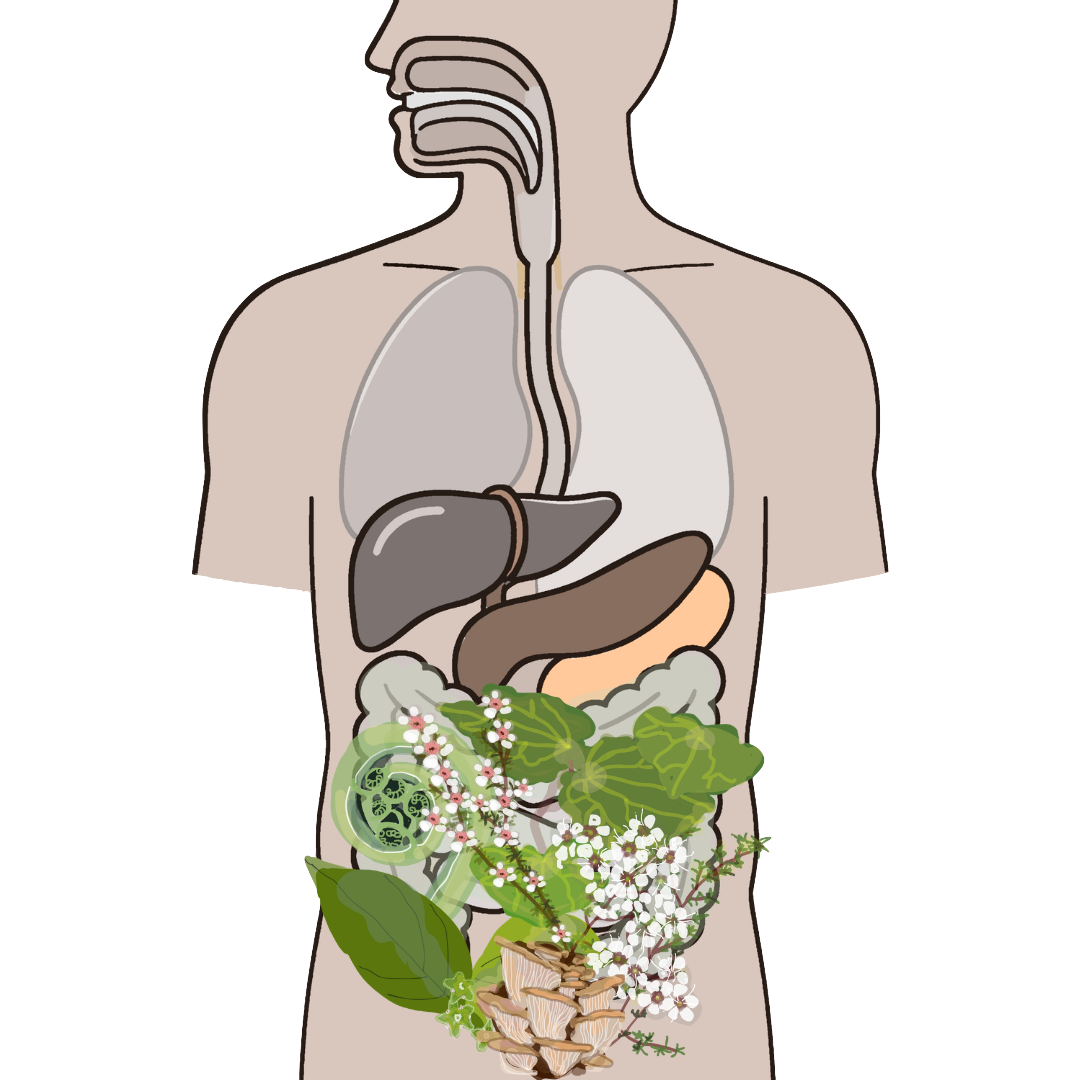
GastroEcology: A Dual Model for Human Metabolic Health and Native Land Restoration
GastroEcology suggests a dual model that connects human wellness with environmental healing. Discover how actively restoring native landscapes and consuming wild botanicals can rewild human metabolic health.
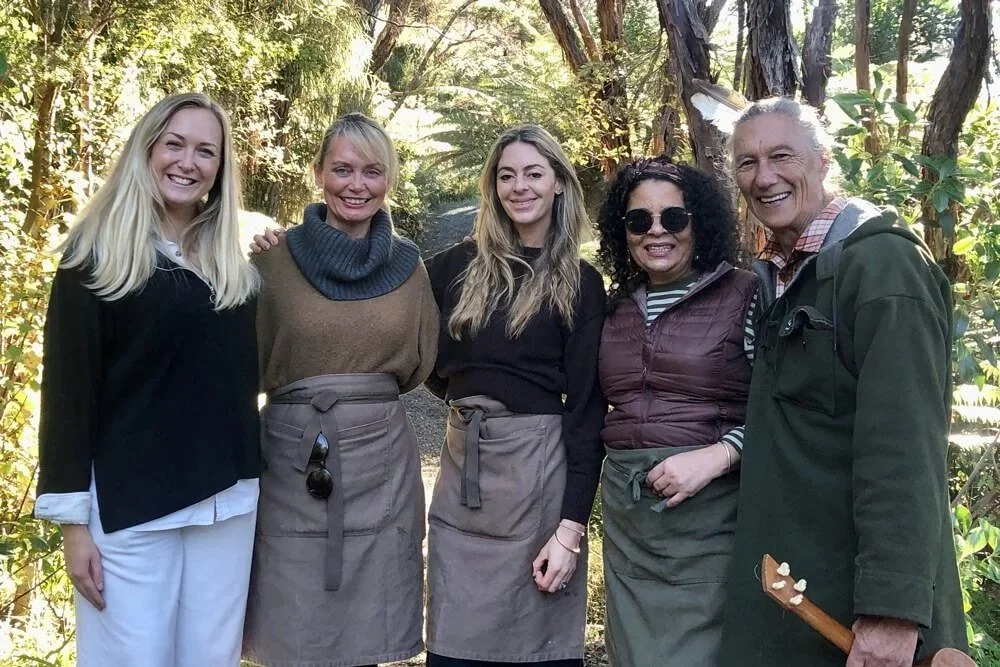
What is Regenerative Travel? Moving Beyond Sustainability
Regenerative travel goes beyond simply leaving no trace—it is about leaving a destination better than you found it. Discover how Velskov’s eco-luxury experiences actively restore New Zealand's native forests while deepening your connection to nature.
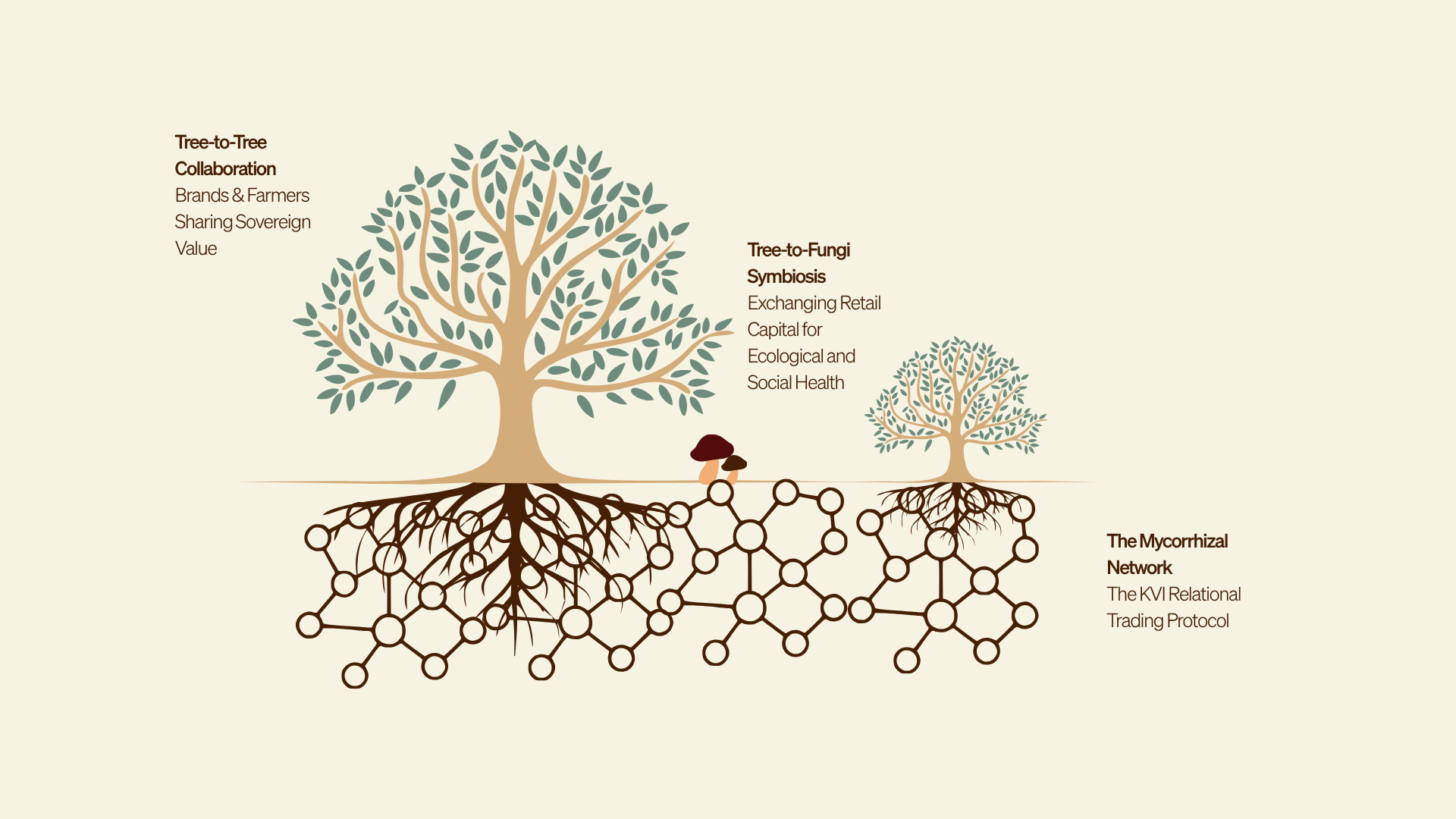
The Kin-Value Methodology: A New Paradigm for Forest Farming
At Velskov, we are pioneering Kin-Value—a new methodology for forest farming to share with the world. Discover how this approach treats nature as kin, ensuring the long-term well-being and prosperity of New Zealand's native forests. Download the working paper.
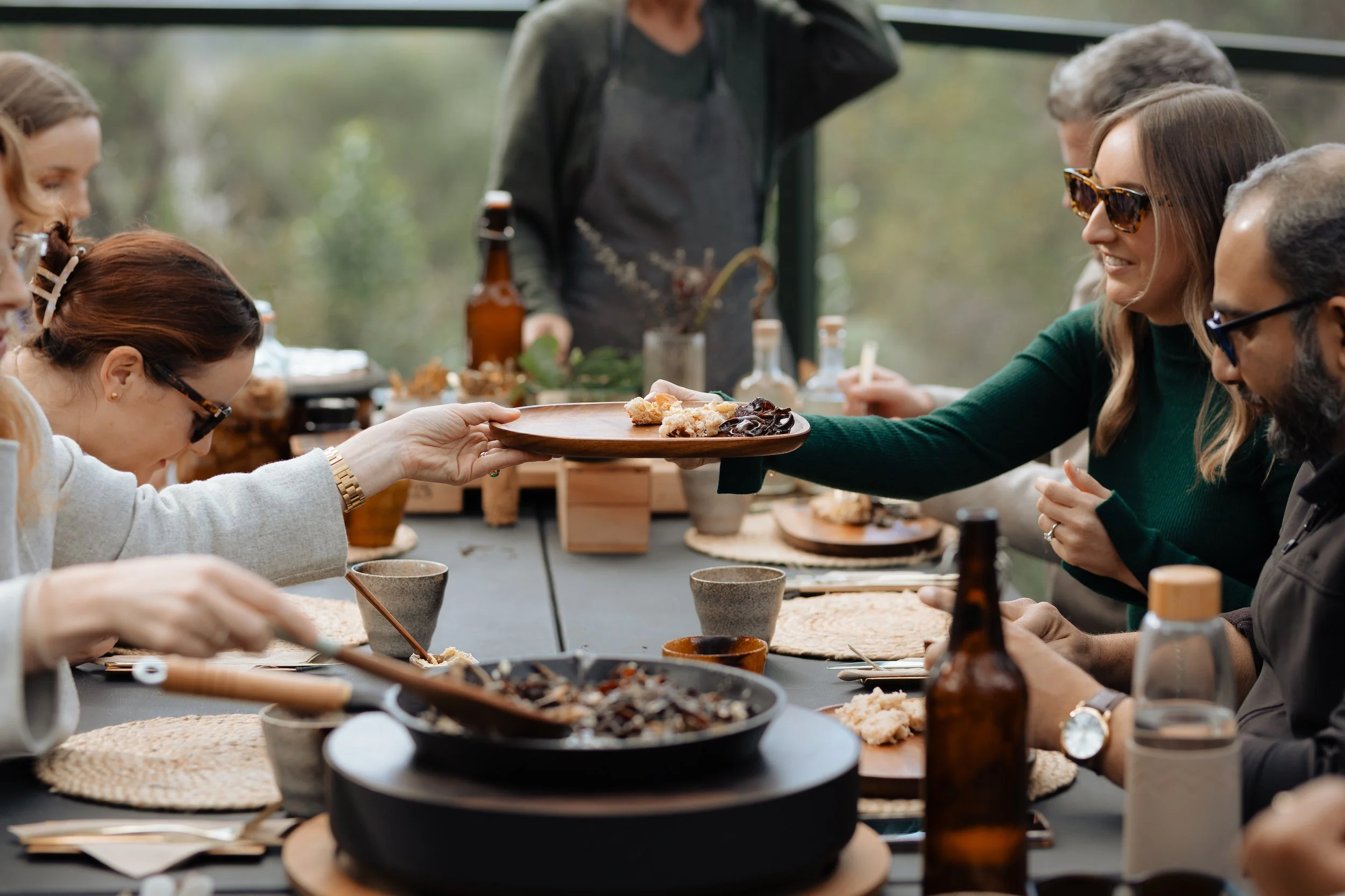
GastroGeography: The Taste of Place
The GastroGeography philosophy explores the profound connection between a landscape and its flavours. Discover how this "taste of place" philosophy elevates eco-luxury hospitality, agritourism, and native dining experiences.

The Velskov Method: Regenerative Native Forest Farming
Explore our unique approach to regenerative forest farming. The Velskov Method cultivates native botanicals and living tea gardens while actively restoring the natural ecosystem without timber harvesting.
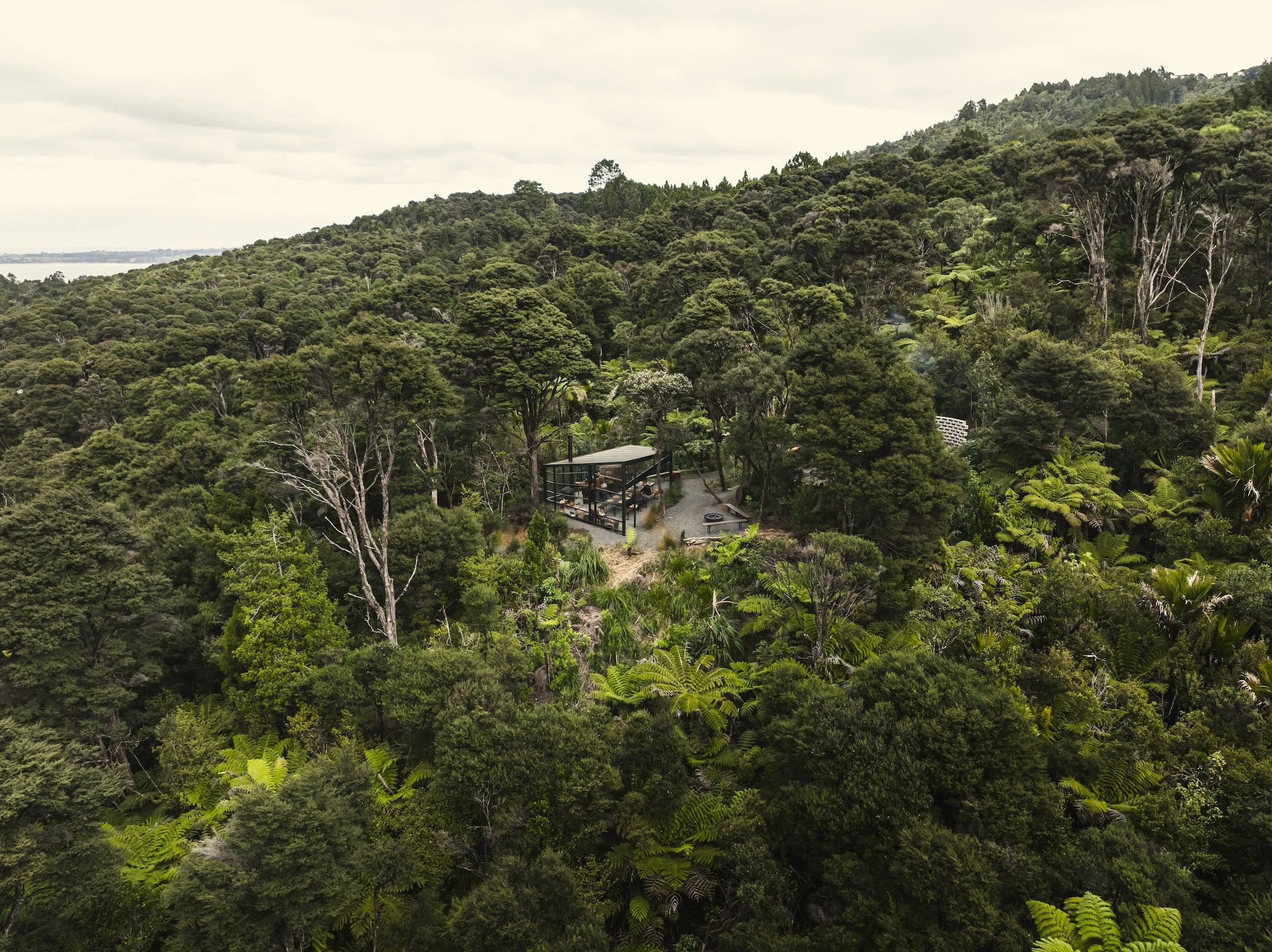
What is Agroforestry?
Agroforestry is best understood as the integration of agriculture and forests. At Velskov, we practice natural forest farming—growing food sustainably within a biodiverse native forest without timber harvesting. Discover how this method restores natural ecosystems while promoting sustainable food production and economic resilience.
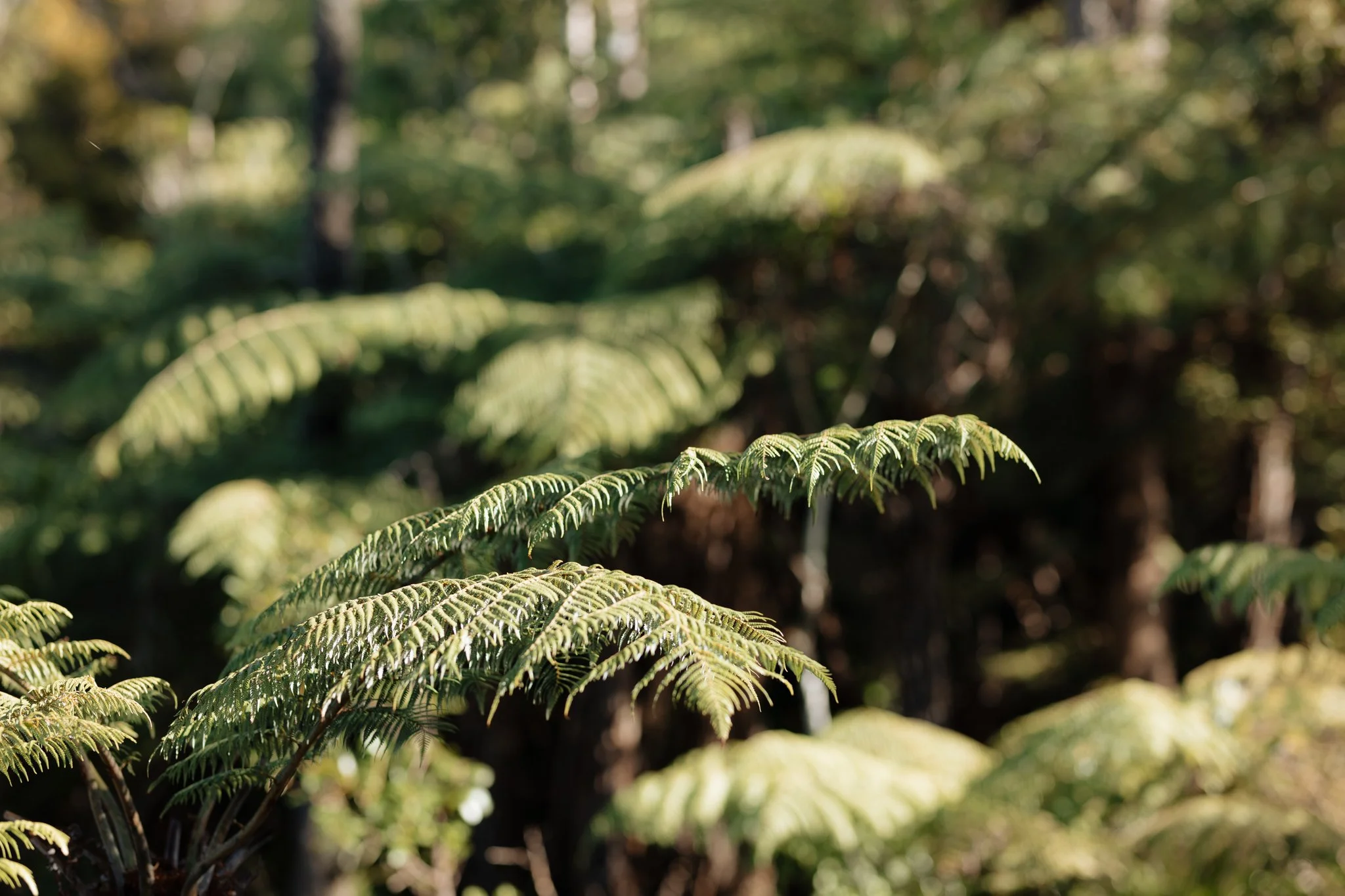
The Living Forest: Native Biodiversity & Our Ecosystem
A healthy food forest relies on a thriving, interconnected ecosystem. Explore how our regenerative farming methods actively restore Aotearoa New Zealand's native biodiversity from the soil up.